
Where Indie Publishers are Missing the Mark
An outsiders take on everything left unsaid at the Open Books, Open Minds conference.

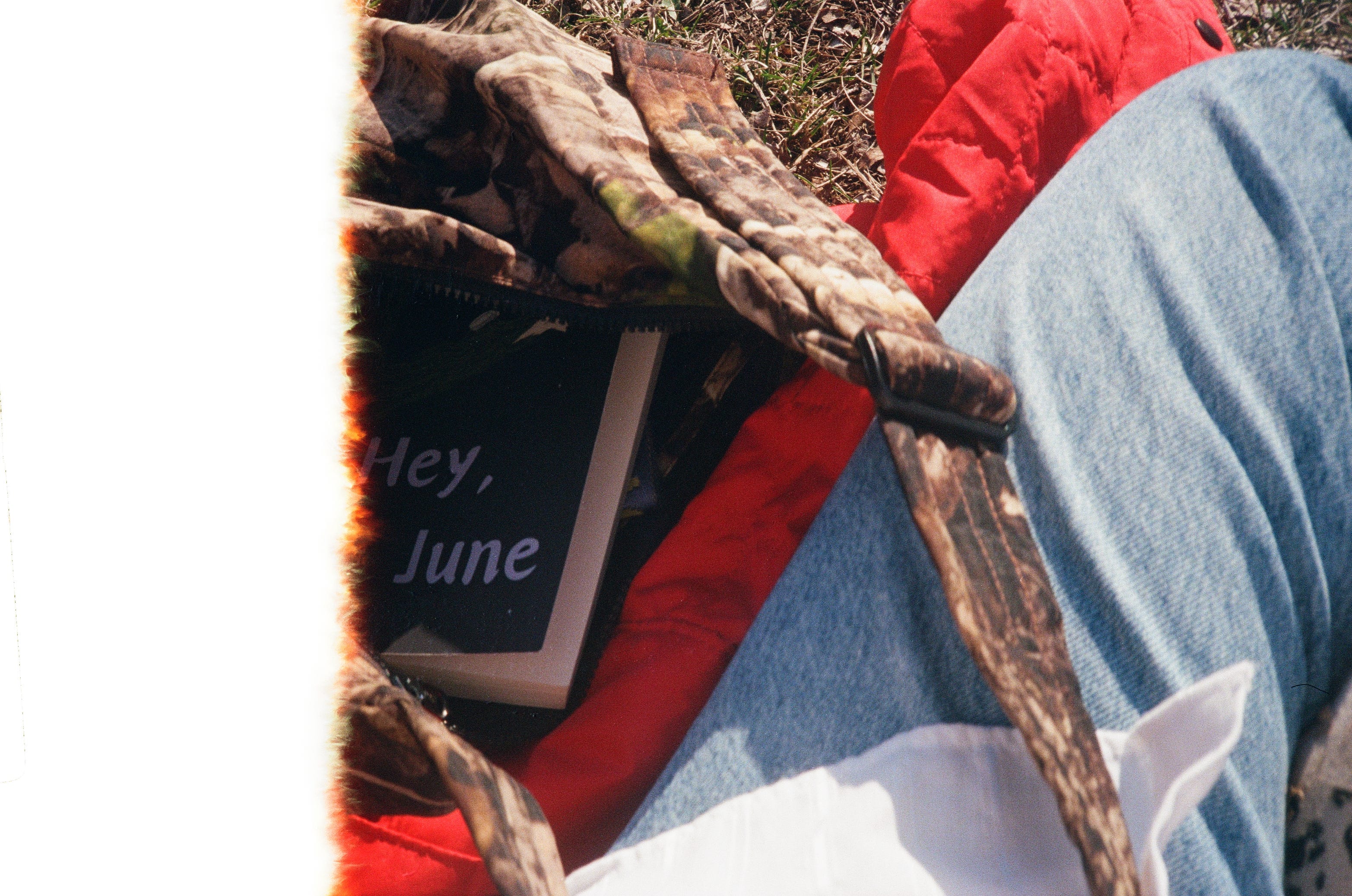
I hate to shit where my future self wants to eat—but some things need to be said.
The Open Books, Open Minds conference for indie publishers by AELAQ served sobering truths.
By no means was I going into it thinking that these publishers made big money or had all the answers, but the strategist in me was confused. How are there so many years of experience in this room, yet no answers? No tangible proof of any strategies that work?
Many self-deprecating jokes about low or no profit had me question what made these people feel successful in the first place. What drove them to keep going?
Unfortunately, I still don’t know for sure.
But it likely has something to do with the fact that this reality is all they know.
During the Branding and Identity panel, I used the Q&A portion to prod around:
”We know how writers are building an audience these days, on social, Substack, etc., but how are you as a publisher building an audience and fostering trust with readers?”
The answers fell flat.
“I own a bookstore, so I like to place my books beside other bestsellers.”
And another answered, “I think we really just try to be the loudest!”
Um, what?
My business brain rang alarm bells—these answers are not measurable. If these publishers don’t understand the importance of building an audience or client retention, then what value are they actually bringing to modern authors?
It’s not that I don’t value editing, curation or distribution, but you have to admit that in 2026—it’s the bare minimum. It’s just enough to prove you are worthy of a grant and maybe some residencies, but if publishing a novel is just a stepping stone, then where are we all stepping to?
This brought more questions. Was the lack of profit in the industry truly due to underfunding and capacity, or was it just an accepted narrative? Maybe a widely subscribed to passivity?

While sitting in the aftermath of my questioning, I also realized books don’t have calls to action. There’s no place to keep the conversation going. Perhaps publishers would benefit from a Reddit page or Discord channel where book lovers could go chat about their favourite book after? I’m sure many use newsletters, but that’s a one-way street.
In fact, last Sunday, I took it upon myself and made a Reddit page called r/indiebookscanada. We were told that AI-assisted search is indexing Reddit now, so why not? Plus, after reading Baby Face & Happy Hour—I want to chat about it!
I also realized that books would benefit from more merch and community building. Perhaps this industry is too tight-knit, too close to its own problems, that it’s unable to see the plethora of opportunities available.
The more I learn about creatives and their businesses, the more I notice cross-industry patterns. One being that over-identification with struggle often keeps us invested in busywork, when really we’re starving for meaningful work.
But for it to be meaningful, it has to reach people, and in order to reach people, it needs to be relevant and relatable. But there’s an elephant in the room.
Canadian literature is not relevant or relatable.
This point got discussed in the Lament for Whom group discussions, and more recently in Ashley Obscura’s substack, which was a relief to read. It validated what I felt—but from an insider perspective.
My only issue is I don’t see it as just an imagination problem; I see it as a positioning problem. CanLit is limiting it’s self perception to CanLit.
The way I see it, they can walk around with the aura of a broke publisher, or they can walk around with the confidence that they are the DefJam of the storytelling world. All that’s missing right now is the audacity, the imagination and business wit.
Culturally, Canadian Literature is irrelevant because the word literature in itself is irrelevant. Literature has an elite, hierarchical, and gatekeep-y vibe.
It’s giving type-A academia. But if we could humanize the bit and admit it’s just storytelling, we could see that story consumption is at an all-time high right now.
It’s just not as valued in its paperback form.
We can blame the fact that fewer people read, or that we are competing against screens, but there’s also a bigger missing piece. Marketing and PR campaigns in the book world often stay in book consumer lanes. It stays niche, and world-building is almost non-existent.
If we want to entice people to become readers, we’ve got to think outside the box.
Every brand is obsessed with storytelling, social media is largely storytelling and everyday people are watching movies, listening to podcasts, audiobooks and more.
So what’s the disconnect?
Literature as a cultural brand is null. Sure, some people read, but unless the book industry learns to brand beyond its form, it will stay niche.
Personally, I’m thirsty for pocket books—funny stories, poetry that’s sexy and characters that do or say what’s not allowed to be said online. I want moms fucking strangers on their lunch breaks—I want 3-page stories that blow my mind on the subway and thematic extensions of my favourite movies/shows. I want juicy fun and interesting shit from real people where there’s real risk and messy rewards.
I want publishers to look outside their industry, to other storytelling businesses for inspiration. TV, podcasts, fashion, tech—there are a million ways to add value to people’s lives beyond the product itself.
Just look at what A24 did for indie films. Strong vision, stylistic consistency and merch that extends people’s connection to their stories. You can blame money and underfunding, or you can face the truth that many publishers haven’t identified their value outside of the practical product.
A book can be a book or a book can be a world—you just have to communicate it in modern language and contexts—which I’m afraid CanLit hasn’t evolved to do.